Private jet charter website design: what an operator's site needs
A private jet charter website should sell what the operator owns and runs. What a charter operator's site needs, what to leave out, and what we built for Reliance Jets and ONYXX Aviation.
This article is available in English.
Short answer: a private jet charter website should sell what the operator actually owns and runs. That means the fleet, the empty legs and the way trips are handled, in that order, not a hero video and a quote form. At beterdesign, charter website design starts at $3,000, brand identity and website together at $7,000, and a complete luxury charter website with brand and content typically runs $15,000 to $50,000.
We have designed and built more than 30 private aviation websites. For charter, the work is Reliance Jets, an operator with an owned fleet, and ONYXX Aviation, a charter and concierge brand in Atlanta. This guide is what we tell any charter operator planning a new site.
The default charter site, and why it fails
Most charter sites are built around one page: the inquiry form. A full-screen jet at golden hour, a line about luxury, a form, a footer. It is a sensible default for a broker who does not differentiate on fleet. For an operator that owns aircraft, it is wasteful, because it hides the one thing the operator has that a broker does not.
Brokers do not own aircraft. They shop quotes from the people who do. An operator flies its own aircraft, and the pricing, the availability and the consistency are different. The site should say so on the first screen.
What a charter operator's site needs
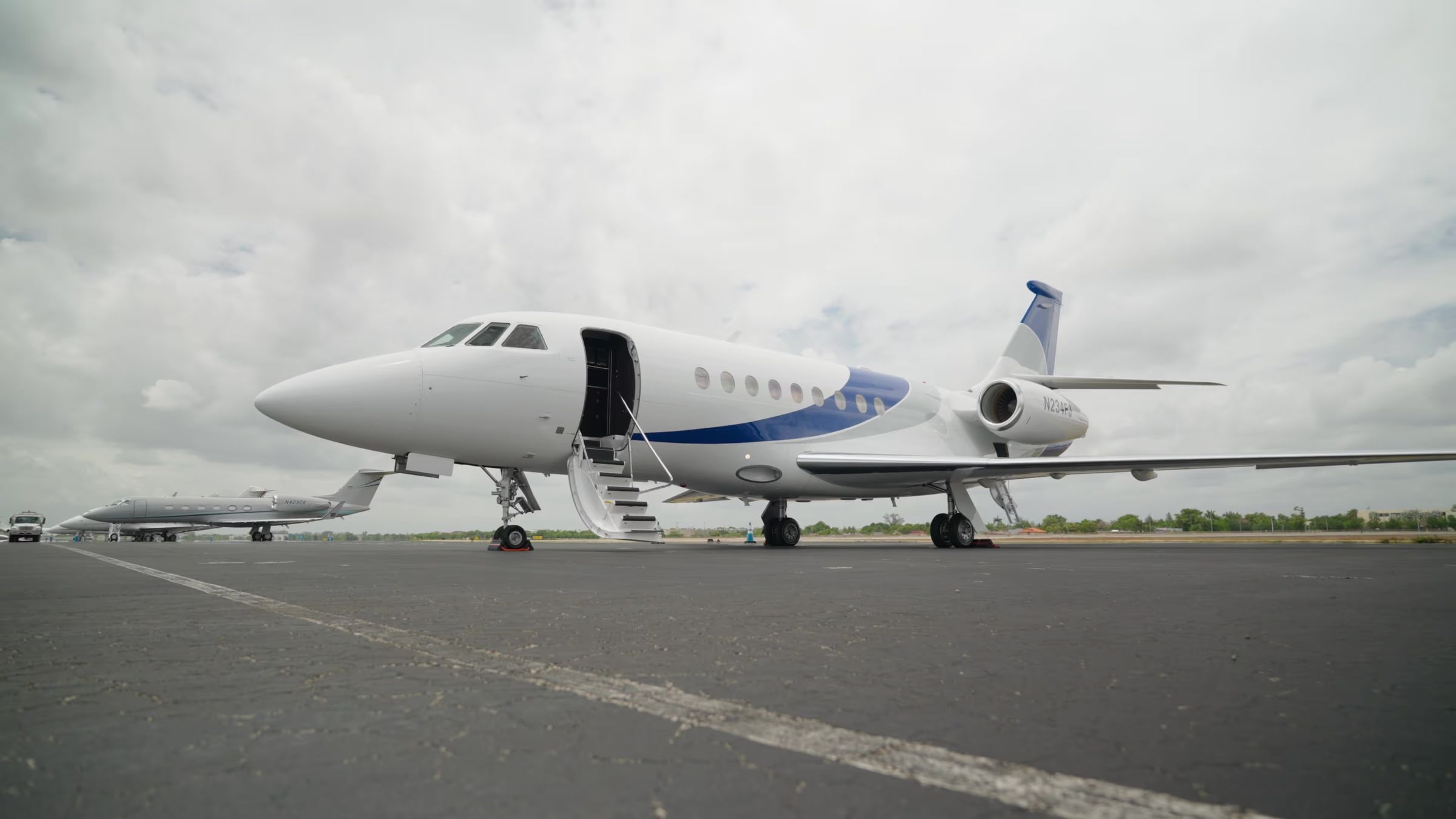
- The fleet as the product. Each aircraft gets its own page: specs, photography, capacity, range, and an inquiry tied to that tail number. Owned fleet is a credential, not a sub-page. On Reliance Jets, the fleet stops being a brochure and starts being the product.
- Empty legs as a live feature. Empty legs are discounted repositioning flights. Shown as real availability, not a static "up to 75% off" banner, they give clients a reason to come back weekly. See how to design an empty legs page.
- Operator, not broker, stated plainly. The structure makes clear the operator flies its own aircraft. If the operator also works with other aircraft, say that clearly too.
- An inquiry that qualifies. Build the inquiry around fleet selection and trip type, so conversations start sharper. Someone looking at a Citation X is not looking for a King Air.
- The whole journey, when it is the whole journey. When the operator also arranges yachts, ground transport or events, the site presents one operation, not a menu of separate services. ONYXX Aviation sells one point of contact for the entire trip, so the site leads with the journey, not the aircraft.
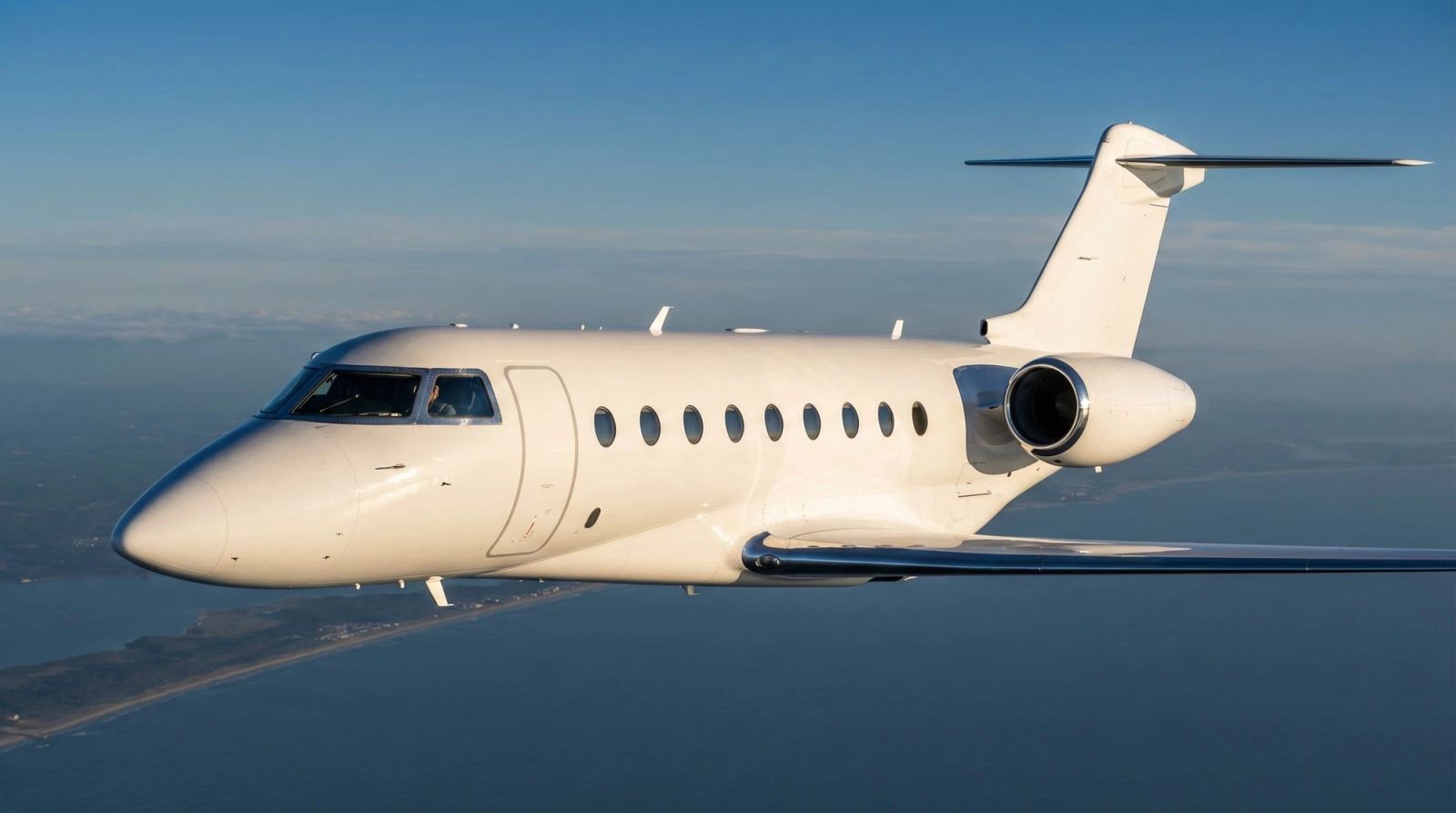
- Proof before atmosphere. Fleet, operating model, credentials and track record lead. A jet at golden hour is the category default, and proof is what makes one operator different from the next.
- Fast on a phone. Serious inquiries often start on a phone. The site should load instantly and put the essentials first.
- Content Google and AI can read. Aircraft specs, routes and answers as real text on the page, with FAQ structure and schema markup, so charter clients and AI assistants can find and cite the operator. See AEO for private aviation.
What to leave out
- A full-screen hero video that delays the answer. A first screen that names what the buyer came for and starts answering it beats a cinematic opening that costs inquiries.
- A quote form as the only page. If the operator owns aircraft, a form-first site looks like a broker's.
- Stock photography of other people's aircraft. Use real aircraft, from the fleet.
- A static banner for empty legs. If the legs are not live, say so and offer an alert instead.
How the inquiry should work
The inquiry is not a form dropped into a queue. It should feel like the start of a relationship. Ask for what qualifies: the aircraft or the size of aircraft, the route, the date and the passengers. Leave the rest for the conversation. For ONYXX, the inquiry and quote flows are built to qualify serious clients quickly and to feel like the start of a relationship.
What it costs
Website design for a charter operator starts at $3,000, and brand and website together at $7,000. A complete luxury charter website, with brand identity and content included, typically runs $15,000 to $50,000. The number of aircraft, the live empty legs and the extra services decide where a project lands. See how much a private aviation website costs.
How long it takes
Most website or branding projects take two to four weeks. When the brief and content are settled it can be much faster: the Hudson Jets private aviation site was designed and shipped in 72 hours. Larger sites with a page for every aircraft and live legs take longer.
What to ask any agency before you sign
- Which private jet charter websites have you designed and built, and can I see them live?
- Will every aircraft get its own page, with an inquiry tied to its tail number?
- Can my team update the fleet and the empty legs without a developer?
- Who designs the site, and who builds it? Is it the same person?
- What is included in the price, and what is quoted separately: brand, content, SEO, hosting?
- How will the site be found on Google and in AI answers such as ChatGPT and Perplexity?
Questions charter operators ask
Should a charter operator's website lead with the fleet or a quote form?
The fleet. An operator that owns aircraft has a real asset to show, and burying it behind a quote form makes the site look like a broker's. Reliance Jets was rebuilt around its fleet, with a page per aircraft and an inquiry tied to that tail number, plus a live empty legs feed.
How much does a private jet charter website cost?
Website design starts at $3,000, and brand and website together at $7,000. A complete luxury charter website, with brand and content included, typically runs $15,000 to $50,000.
What makes a charter website convert?
Leading with the operating model and the fleet, live inventory, a clear path for each audience, an inquiry that qualifies instead of interrogating, and fast mobile performance.
Do you work with charter operators in the United States?
Yes. US charter work includes ONYXX Aviation in Atlanta. The studio is based in Belgrade, Serbia, all communication is remote with structured check-ins, and prices are in US dollars.
Can you move our existing charter site instead of starting over?
Yes. Migrations from WordPress or Webflow to Astro and Sanity are quoted by the size of the site. See website migration.
Next step
See charter operator website design, or start a project and tell us what you fly and who you sell to. We reply within two business days.